
Blog ·
What we took from the ACT Global App Ecosystem Conference
Our reflections after a week at the ACT | The App Association Global App Ecosystem Conference in London, meeting MPs, Lords and government teams.
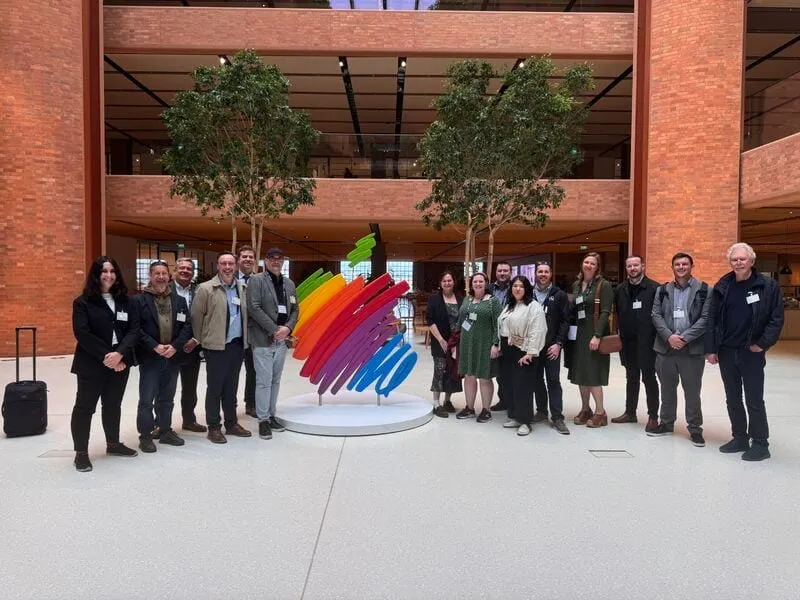
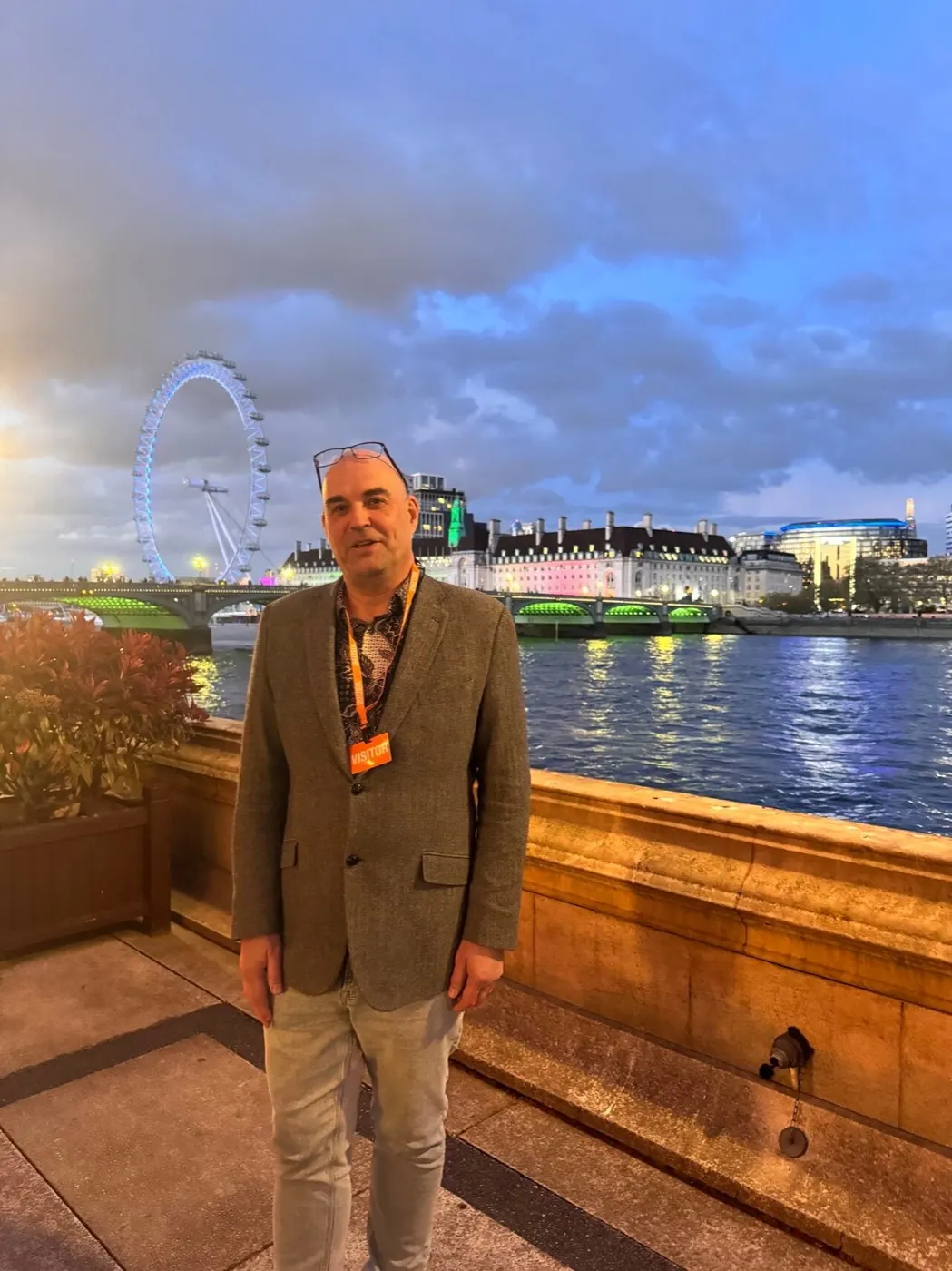
On Wednesday 15 April 2026, we finished a week at the ACT | The App Association Global App Ecosystem Conference in London.
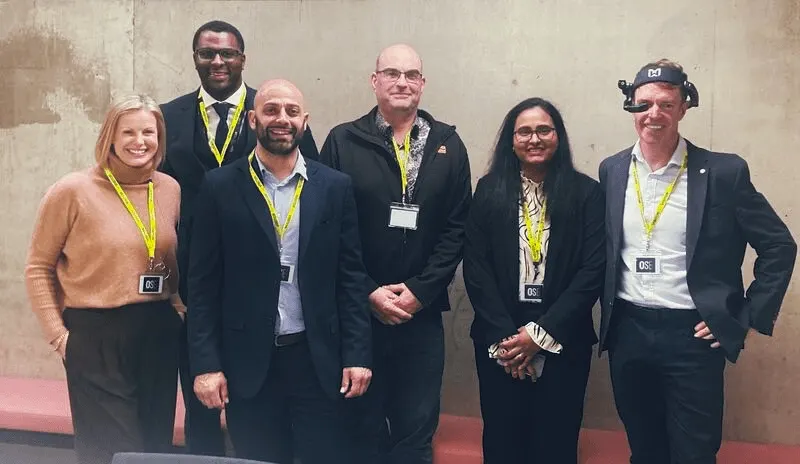
The conference brought together ACT members, policymakers, government departments and industry teams to discuss what small technology businesses need in order to grow.
For us, this matters because building new technology isn’t only a technical challenge. It also depends on finance, standards, digital infrastructure, fair markets and policy that understands how small businesses actually work.
Why we were there
Augmented Solutions is a software and product consultancy. Our work covers:
- mobile apps and augmented reality
- AI and machine learning
- connected sensing and IoT
- product development, from concept to deployment
- sustainable manufacturing through our venture MyPrintPod
All of this sits inside a wider technology ecosystem. If that ecosystem is unstable, expensive or hostile to small businesses, innovation slows down.
ACT gives small companies a collective voice in those policy discussions.
The five areas that mattered most
The conference focused on five areas that are directly relevant to us and to other small technology businesses.
Finance and funding for startups
There’s still a gap between early government-backed support and the funding needed to gain traction.
Small businesses can often get help to start, but the next stage is harder. Turning a tested idea into a resilient company takes patient capital, practical advice and a policy environment that doesn’t assume every startup can scale like a software platform.
For hardware, deep-tech and climate-related innovation, that gap is especially important.
Standard-essential patents
Standard-essential patents matter because small companies can find themselves exposed to complex patent claims linked to technologies they need to use.
The concern isn’t legitimate intellectual property. It’s opacity, uncertainty and aggressive enforcement against businesses that don’t have large legal teams.
Small businesses need clearer, fairer and more predictable ways to understand and access the standards they depend on.
AI regulation
AI was a major theme throughout the programme.
For us, the question is practical: how do we support useful AI adoption while advising on regulation that protects people, supports innovation and avoids unnecessary friction?
AI can help with process control, quality monitoring, decision support and much more. It needs smart regulation, not blunt regulation.
Online security and privacy
Security and privacy are essential, but they also create cost and operational friction for small businesses.
Good policy needs to recognise both sides. Protecting users matters. So does keeping compliance proportionate for SMEs trying to build useful products and services.
Online marketplaces
Online marketplaces, including app stores and platform ecosystems, are often discussed as if breaking them apart would automatically help small businesses.
The reality is more complex. For many SMEs, trusted marketplaces provide distribution, payments, security, discovery and customer confidence. Changes to these systems need to be evidence-based and must consider the businesses that rely on them.
Who we met
As a trade association, ACT members held more than 50 meetings with MPs, Lords and government organisations.
We took part in discussions with:
- Sarah Adcock OBE and her team at the Department for Business and Trade
- Dame Caroline Dinenage MP DBE
- Denny Jicheva and her team at the Department for Science, Innovation and Technology
- Julia Lopez MP
- HM Treasury
- Callie Pearmund and the team at the Competition and Markets Authority
- the Apple developer relations team at Apple’s UK headquarters in Battersea Power Station
We’re grateful to everyone who gave their time, listened carefully and engaged with the concerns of small businesses.
What we learned
The first clear lesson is that many people in the UK civil service understand the importance of SMEs. Small businesses account for a major share of UK economic activity and employment. They aren’t peripheral to growth; they’re central to it.
The second lesson is that this point still needs repeating. Elected members in both the House of Commons and the House of Lords were often struck by the scale and importance of the SME sector.
The third lesson is that patient, evidence-backed advice can move policy in the right direction. It’s slow work, and it can feel like aligning many moving parts at once, but it matters.
The fourth lesson is that other economies are actively competing for UK talent with finance, setup support and tax incentives. The UK needs to respond with practical reasons for innovative companies to stay, build and scale here.
The final lesson is more positive: the UK is recognised internationally as an exceptional pool of innovative, determined talent. We punch well above our weight.
That talent needs encouragement, not unnecessary friction.
What this means for us
Our work sits where software, hardware, AI and sustainability meet. The conference reinforced several things:
- deep-tech and sustainable innovation need patient capital
- AI and IoT regulation must stay practical for SMEs
- standards and patents need to be accessible, not intimidating
- privacy and security must be proportionate
- small businesses need fair routes to market
These aren’t abstract policy issues. They shape whether small companies like ours, and the clients we work with, can develop new systems, use AI responsibly and bring useful products to market.
Thank you
Thank you to the ACT team for organising a complex and valuable programme.
Particular thanks to Stephen Tulip for his patience and guidance throughout the week, Alexandra Cooke and the ACT back office team for coordinating the programme, the wider ACT membership, and Mike Sax for starting the ACT project and continuing to champion small technology businesses.
Take home
We moved the needle.
Now we keep moving it.